

Pricing Beyond the Comps
When it comes to pricing a home, the first thing everyone looks at is the comps.
Recent sales. Price per square foot. What the neighbor’s house sold for.
And yes… comps matter.
But they don’t always tell the whole story—especially in more unique or rural communities.
In areas like Descanso, Alpine, Pine Valley… you’re not dealing with cookie-cutter homes. You’re not comparing three identical houses on the same street.
You’re comparing things like:
a home with usable acreage vs. steep land,
well water vs. district water,
updated vs. untouched for decades.
On paper, those might look similar.
In real life, they’re not even close.
And then you get the homes that have been loved for years… the “grandma’s house” situation.
The ones with the incredible garden, mature landscaping, everything maintained to a T.
To the right buyer, that’s a dream.
To someone else, it feels like upkeep, water bills, and a lot of work.
So how do you price that?
There’s real value there—but it’s not always something every buyer is willing to pay for. That’s where pricing becomes more of a strategy than a formula.
Some homes just naturally have a smaller buyer pool.
Unique layouts, multiple structures, rural setups with septic and propane, custom features… all great, but not for everyone.
And when you’re working with a more specific buyer, pricing matters even more.
If you miss the mark, the home sits.
And once it sits, buyers start to wonder why.
Acreage is another big one.
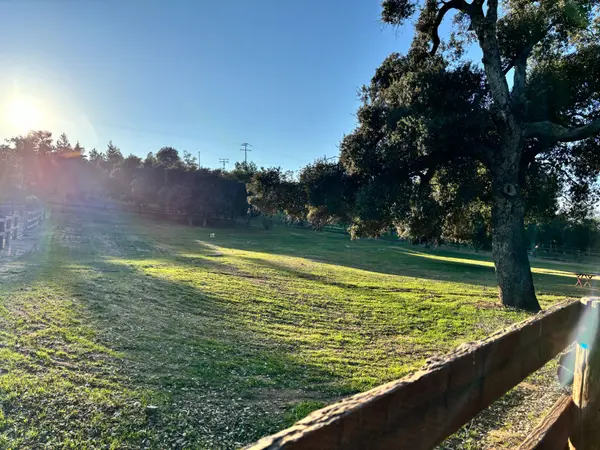
Two homes can both say “2 acres,” but one is flat and usable, and the other is steep or hard to access. That alone changes things quite a bit.
But it’s not just about whether you can use the land—it’s also about whether you can realistically maintain it.
Buyers are thinking:
can I keep up with this?
is it manageable year-round?
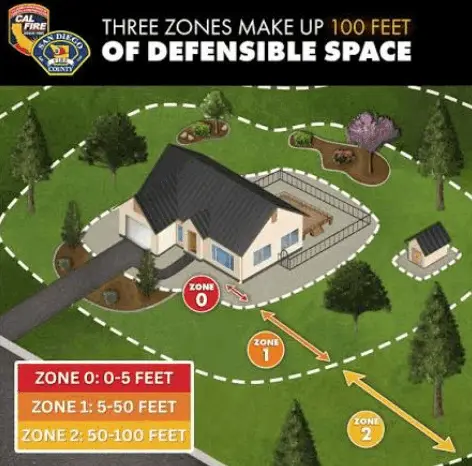
what does this mean for fire safety and defensible space?
A property that’s easier to maintain and already set up with good defensible space feels a lot more doable—especially out here.
If it’s overgrown or hard to manage, it can feel overwhelming pretty quickly.
So it’s not just acreage… it’s how that acreage actually lives day to day.
Wells are another layer that doesn’t always show up clearly in the comps.
Buyers want details:
how deep is it, how old is it, how well does it produce?
A newer, reliable well? Huge plus.
An older system with unknowns? That can make people pause.
Two homes might look the same on paper, but something like that can absolutely shift how a buyer feels—and what they’re willing to pay.
At the end of the day, comps are a starting point.
They give us direction.
But they don’t account for everything.
Especially in areas like ours, pricing is part data… and part understanding how buyers actually think when they walk a property.
One thing I’ll say—there’s a difference between an agent who has sold a home in an area, and one who really understands it.
The little things matter more than people realize.
How buyers view land out here.
What a well means.
What feels manageable vs. overwhelming.
What adds value… and what quietly limits your buyer pool.
That stuff doesn’t always show up in a report—but it shows up in your results.
If you’re thinking about selling and want to talk through your property in a real way (not just plugging numbers into a formula), I’m always happy to help you sort through it.
Jen Kleist | DRE 02228818 | Coldwell Banker West
Categories
Recent Posts




GET MORE INFORMATION