

San Diego Fire Insurance & the California FAIR Plan: What Homeowners Need to Know
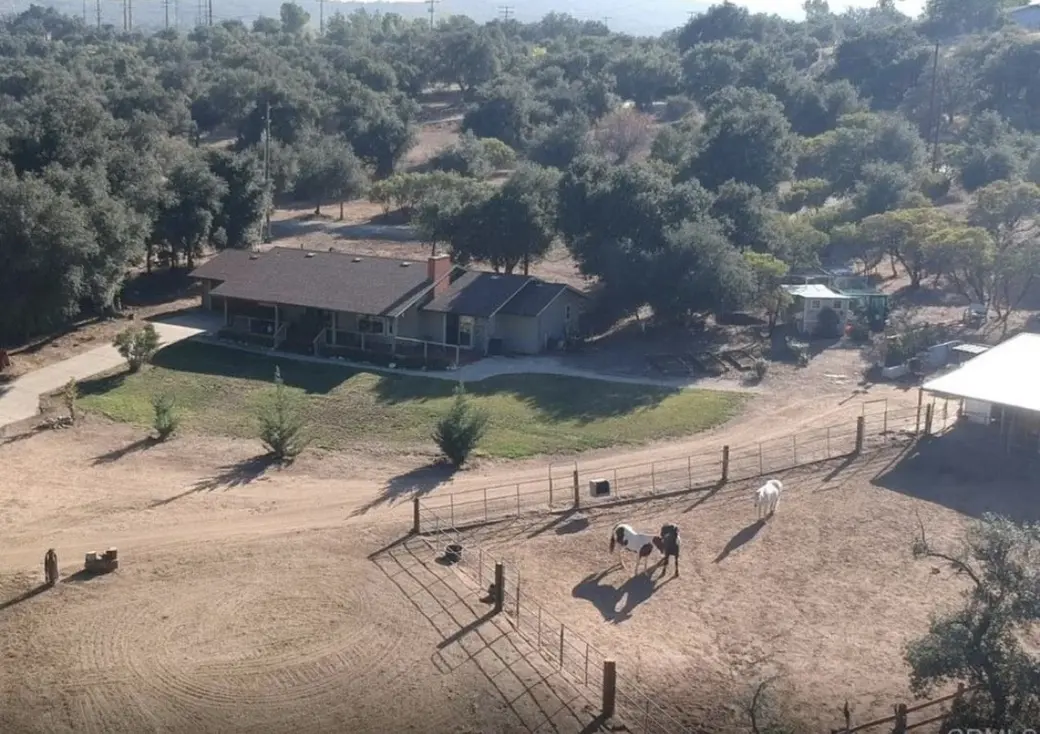
Fire Insurance, Explained: What Your Policy Covers and Why the FAIR Plan Keeps Coming Up
If you live in a high wildfire risk zone here in San Diego, you've probably had at least one conversation about fire insurance that left you more confused than when you started. This isn't only a mountain issue. Plenty of neighborhoods across the county sit in elevated risk areas, and homeowners in all of them are feeling the same pressure: premiums are climbing, some carriers have stopped writing new policies in certain zip codes, and the California FAIR Plan gets mentioned constantly without much explanation of what it actually is.
So let's break it down plainly. No jargon, no scare tactics, just the facts you need to understand your coverage and make smart decisions about it.
What Fire Insurance Actually Covers
A standard homeowners policy bundles fire coverage in with everything else: theft, liability, water damage, loss of use, and so on. The fire portion specifically pays out for:
- Dwelling coverage: the cost to repair or rebuild your home's structure after fire damage
- Other structures: detached garages, sheds, fences, and similar structures on your property
- Personal property: your belongings inside the home
- Loss of use: covers a hotel or rental while your home is being rebuilt
- Smoke and explosion damage: often tied to fire coverage even without flame damage to the structure itself
A standalone fire policy, like one through the FAIR Plan, only covers the fire-related pieces above. It does not include liability, theft, or water damage. That distinction matters a great deal, and it's exactly why the wraparound policy we'll cover later is so important.
What Is the California FAIR Plan?
The FAIR Plan comes up constantly because so many private insurers have scaled back or stopped writing new policies in higher wildfire risk areas. When the private market won't cover you, the FAIR Plan exists to make sure you still have a path to basic fire coverage. The name stands for Fair Access to Insurance Requirements.
Is it state owned or privately owned? Neither, exactly. The FAIR Plan is not a government agency and receives no taxpayer funding. It was created by state mandate in 1968, but it operates as a shared risk pool made up of every insurance company licensed to sell property insurance in California. In other words, it is state created and privately run.
How It Is Run and Regulated
Every admitted insurer in California is required to participate in the FAIR Plan in proportion to their share of the market. They share in the profits, the losses, and the expenses based on how much business they write in the state. The plan is overseen by a governing board that includes representatives from major insurers, and it is regulated by the California Department of Insurance under the Insurance Commissioner.
Here's a wrinkle worth understanding: if the FAIR Plan ever runs short on money to pay claims after a catastrophic fire season, it can levy an assessment on its member insurance companies to cover the gap. Those companies are allowed to pass a portion of that cost on to their own policyholders across the state. That means a major loss event can ripple out and affect homeowners who aren't even on the FAIR Plan.
A Temporary Safety Net That Is No Longer So Temporary
The FAIR Plan was originally designed as a temporary backstop, a place to land while you worked your way back into the private market. That's still its stated mission. But the reality on the ground has shifted dramatically.
The plan covered roughly 124,000 properties statewide in 2019. By late 2025 that number had grown to more than 645,000. That's not because the FAIR Plan wanted to grow. It's because more and more homeowners simply have nowhere else to go.
Why Insurers Have Been Pulling Out of California
Understanding why carriers have retreated helps explain why the FAIR Plan has become so common. A few forces have been pushing in the same direction:
- Catastrophic wildfire losses. Recent fire seasons have produced claim payouts that wiped out years of accumulated profits for many insurers, which made them rethink how much risk they were willing to carry in the state.
- Rate regulation that lagged the risk. For years, carriers were required to price policies based largely on historical fire data rather than forward looking risk models, which made it hard for them to charge rates that matched the risk they were actually taking on.
- Reinsurance costs. The cost insurers pay to insure themselves climbed sharply, and for a long time they weren't permitted to pass those costs along, which squeezed their ability to operate profitably here.
- A string of major carrier exits. Several of the state's largest insurers stopped writing new policies and declined to renew tens of thousands of existing ones, which pushed even more homeowners toward the FAIR Plan.
Regulators have been working on reforms intended to bring carriers back, including allowing forward looking catastrophe modeling and letting insurers account for reinsurance costs. The goal is to make California a market insurers are willing to write in again. That's a positive direction, but it takes time to play out.
Why the Wraparound Policy Is So Important
This is the piece I want you to walk away understanding clearly, because it's where homeowners get caught off guard.
The FAIR Plan only covers fire, lightning, and smoke. It does not cover liability, theft, water damage, falling trees, or most of what a standard homeowners policy protects you against. If someone is injured on your property and the FAIR Plan is all you carry, you have no liability coverage. If a pipe bursts, you're on your own.
This is why most homeowners on the FAIR Plan pair it with a "Difference in Conditions" policy, often called a DIC or wraparound policy. It's a separate policy from a private insurer that fills in everything the FAIR Plan leaves out: liability, theft, water damage, and personal property protection. Together, the two policies are designed to mirror the coverage of a traditional homeowners policy.
If you're on the FAIR Plan without a wraparound policy, you are likely far more exposed than you realize. This is one of the most important conversations to have with a licensed broker, and one of the most commonly overlooked.
What Actually Drives the Cost of Your Fire Insurance
Insurance pricing isn't random. A handful of specific factors carry the most weight:
1. Wildfire Risk Score
Carriers use risk modeling based on your property's location, vegetation density, slope, and proximity to fire-prone terrain. This is the single biggest factor for properties in high risk zones, and it's largely out of your control beyond mitigation efforts.
2. Rebuild Cost, Not Market Value
Your insurance is priced around what it would cost to rebuild your home from the ground up, not what it would sell for. This trips up a lot of homeowners. Two homes with the same market value can carry very different premiums if one is more expensive to rebuild.
3. Construction Materials and Roof Type
Class A fire-rated roofing, non-combustible siding, and ember-resistant vents all factor into pricing. Older homes with wood shake roofs or untreated wood siding carry higher risk in a carrier's eyes.
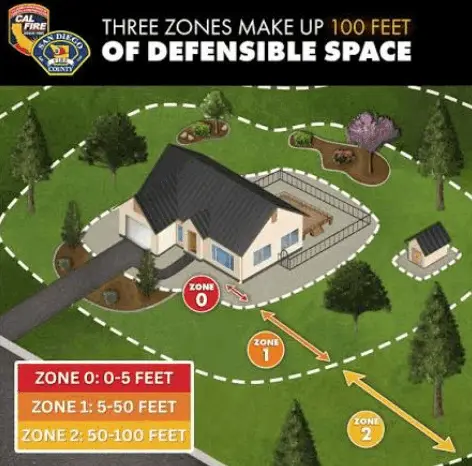
4. Defensible Space and Home Hardening
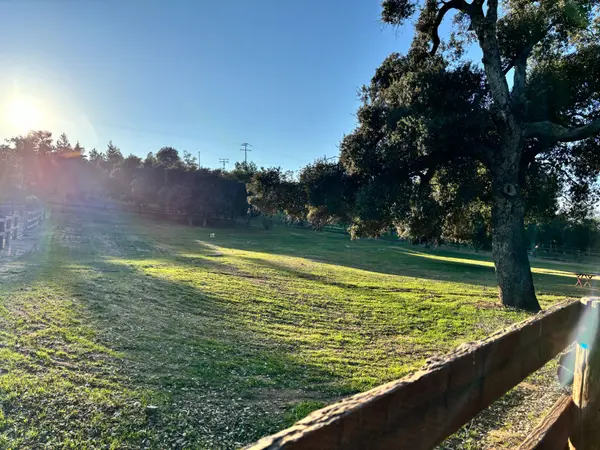
Clearing vegetation around your structure, maintaining the zones around your home, and addressing exterior vulnerabilities can directly affect your eligibility and your rate.
5. Distance to Fire Department and Water Source
Response time and access to a reliable water supply for firefighting both factor into underwriting.
6. Claims History
Past claims on the property, even from a previous owner in some cases, can affect pricing.
How Rebuild Cost Is Actually Calculated
This is the part most homeowners have never had explained to them. Your rebuild cost estimate is not your home's square footage multiplied by a flat number. Insurers and their cost estimators typically factor in:
- Square footage: the base unit for material and labor calculations
- Quality of construction and finishes: custom finishes and higher-end materials cost more to replicate
- Local labor and material costs: higher risk and less accessible areas often carry higher costs due to limited contractor availability
- Site conditions: slope, septic, well systems, and access can add significant rebuild expense
- Permitting and code upgrades: rebuilding to current code can cost more than the original construction
- Demolition and debris removal: often underestimated, but a real cost after a total loss
This is why it's worth having your rebuild estimate reviewed periodically, especially if you've made improvements or if material and labor costs in your area have shifted. Being underinsured on rebuild cost is one of the most common and most painful surprises homeowners face after a loss.
What Homeowners Can Do to Improve Their Rates
You can't control wildfire risk in your zip code, but you do have real influence over how a carrier views your specific property.
- Create and maintain defensible space. Clearing brush, trimming trees, and maintaining the zones immediately around your home is one of the most impactful things you can do.
- Upgrade your roof. A Class A fire-rated roof is one of the strongest factors in underwriting.
- Address vents and eaves. Ember-resistant vents and enclosed eaves reduce one of the most common ways homes ignite during wildfire.
- Clear gutters and remove debris. Simple, low-cost, and often overlooked.
- Ask about mitigation discounts. The FAIR Plan and many private carriers offer discounts for documented home hardening and defensible space work.
- Shop the market annually. Carrier appetite shifts. What wasn't available last year may be available now, and a new admitted carrier in your zip code could be your ticket back off the FAIR Plan.
- Document everything. Photos and receipts for hardening upgrades make it easier to qualify for discounts and easier to prove your case when you're ready to move back into the private market.
The bottom line: Fire insurance in San Diego is more complicated than it used to be, but it's not unmanageable. Understand what your policy covers, make sure you have the wraparound protection you need, know where your rebuild number comes from, and stay on top of what you can control. That puts you in a much stronger position, whether you're insuring the home you already own or buying your next one.
Jen Kleist
Coldwell Banker West
DRE #02228818 | NMLS #2276965
This post is for general informational purposes and does not constitute insurance advice. Always confirm current coverage details, eligibility, and discounts with a licensed insurance agent or broker.
Categories
Recent Posts

GET MORE INFORMATION