

Buying an Off-Grid Home in San Diego County: What to Know First
Buying an Off-Grid Home in San Diego's Backcountry: A Practical Guide
· @Jen Kleist
By Jen Kleist, REALTOR® | eXp Realty / Julian Realty | DRE #02228818
619-985-3618 | jenkleist@gmail.com | jenkleist.com
Off-grid homes come up in almost every conversation I have with buyers looking in Julian, Descanso, Pine Valley, Guatay and the rest of our mountain communities. My team leader, Tiffany Bagalini, recently wrote a great piece on what off-grid living means and why buyers are chasing it. I have linked it at the end of this post.
Think of this post as the companion piece. Tiffany covered the why. I want to cover the how: the way each system works, how you finance and insure a home like this, and what to check before you write an offer. I spent more than 20 years in banking and lending before real estate, and I live in Descanso, so these are the questions I enjoy most.
The basics in plain terms
A home is off-grid when it supplies some or all of its own utilities instead of buying them from a public provider. Every house needs the same four things. The only question is who provides them.
| What the home needs | On the grid | Off the grid |
|---|---|---|
| Electricity | SDG&E service | Solar panels, batteries, backup generator |
| Water | Water district or water company meter | Private well, storage tank, sometimes hauled water |
| Wastewater | Public sewer | Septic tank and leach field |
| Heat and cooking fuel | Natural gas line | Propane tank, wood stove, electric mini-split |
Very few backcountry homes are all one column or all the other. Plenty have SDG&E power with a well and septic. Others have their own solar and septic but a metered water connection. So the first question on any listing is simple: which of these four systems will I own and maintain?
Power: look past the panels
Panels make electricity while the sun is out. Batteries decide whether you have lights at 9 p.m. A generator covers the stretch of gray winter days when neither is enough. A complete off-grid system has all three, and each one has its own age and condition.
What I ask about on every solar home:
- Owned, financed or leased. Owned systems transfer with the house. A lease or power purchase agreement has to be assumed by the buyer or paid off by the seller, and your lender will want to see the paperwork.
- Battery age and capacity. Batteries wear out sooner than panels. Ask when they were installed and what the warranty covers.
- Winter performance. Our mountains get short days, storms and the occasional snow. Ask the seller how often the generator runs from December through February.
- Permits. The County should have a permit on file for the solar and battery installation.
If the home has SDG&E service with solar on top, that is a different setup. It is grid-tied, and without batteries it will usually shut off during an outage even if the sun is shining.
Water: yield, quality and storage
A well is only as good as three numbers: how deep it is, how many gallons per minute it produces, and how clean the water tests. None of those show up in listing photos.
- Yield. A well and pump test measures how much water the well delivers over a set period. Low-producing wells can still work well when they are paired with a large storage tank.
- Quality. A lab test for bacteria and nitrates is the baseline. The County requires those two tests before it will issue a building or septic permit on a property with a private well, so it is a reasonable standard for a purchase too.
- Storage. Many backcountry homes pump into a holding tank, then use a pressure pump to feed the house. Tank size matters for daily use and for fire protection.
- Power. The well pump runs on electricity. On a solar home, the pump is part of your power budget.
Some properties share a well with a neighbor or rely on hauled water. Both can work. Both need to be in writing, and both are things to tell your lender about early.
Septic: the system nobody sees
A septic system is a buried tank that separates solids from liquid, plus a leach field that lets the liquid filter back into the soil. When it is sized correctly and pumped on schedule, you will rarely think about it.
Two things are worth doing before you buy:
- Pull the County record. The Department of Environmental Health and Quality keeps records of septic systems installed since the late 1970s, filed by assessor's parcel number. The record shows where the tank and leach field sit and how many bedrooms the system was approved for.
- Get an inspection and pumping. A septic inspector will open the tank, check the levels and baffles, and look at the leach field. This is separate from a general home inspection.
Compare the bedroom count on the septic record to the bedroom count in the listing. If a den or a casita has become an extra bedroom along the way, the system may be undersized for how the home is being used.
Propane, internet and the everyday details
These are the things that shape daily life more than the big systems do.
- Propane. Ask whether the tank is owned or leased from a propane company. A leased tank ties you to that supplier. Ask how large it is and whether the delivery truck can reach it year round.
- Heat. Wood stoves, propane furnaces and mini-splits are all common here. If wood is the main heat source, plan on storing and stacking it.
- Internet. Satellite internet has made remote work realistic on parcels that had no good option a few years ago. Check which provider the seller uses and what speeds they get.
- Cell service. It varies from one side of a ridge to the other. Walk the property with your own phone.
- Mail and trash. Some homes have a mailbox at the road. Others use a post office box in town. Trash may be a private hauler or a trip to the transfer station.
Financing an off-grid home
This is the part I get asked about most, and it is where my lending background earns its keep. The short answer: yes, you can finance an off-grid home. It takes the right lender and a little more preparation.
- Loan programs care that the utilities work. Conventional guidelines ask that a property's utilities meet the standard for its community. In our mountains, wells, septic and solar are the standard. VA guidelines focus on whether the home has safe, reliable power, water and sanitation, not on where they come from.
- Individual lenders add their own rules. Some lenders will not touch a home without a utility power connection, even when the loan program allows it. That is a lender policy, not a dead end. It means you need a different lender.
- The appraisal needs comparable sales. An appraiser has to find similar homes that sold recently. Off-grid sales are less common, so appraisals can take longer and sometimes need a wider search area.
- Solar paperwork matters. Owned systems are simple. Leased or financed systems come with transfer documents and sometimes a lien that has to be handled before closing.
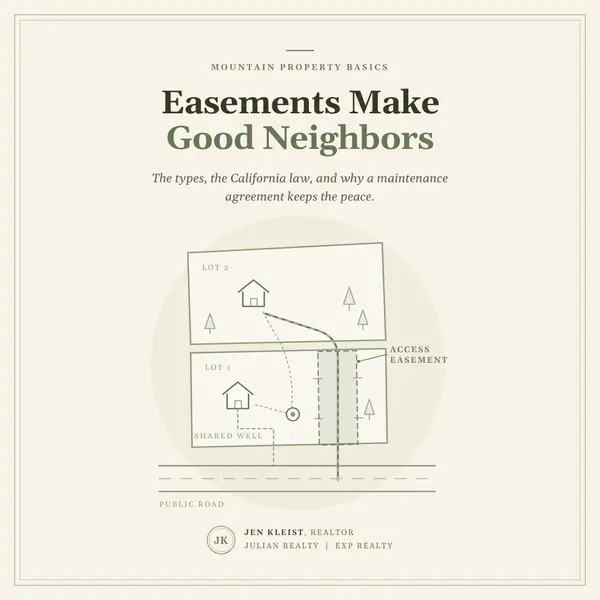
- Shared wells and private roads need agreements. Lenders want to see a recorded agreement covering access and maintenance.
My advice is to tell your loan officer the property is off-grid on the first phone call, before you write an offer. A lender who works with rural property will know what to ask for. One who does not may find out three weeks into escrow.
Insurance: get the quote first
Homeowners insurance in the backcountry takes more shopping than it does in town. Start early. I recommend getting a real quote during your first few days of escrow, not the last few.
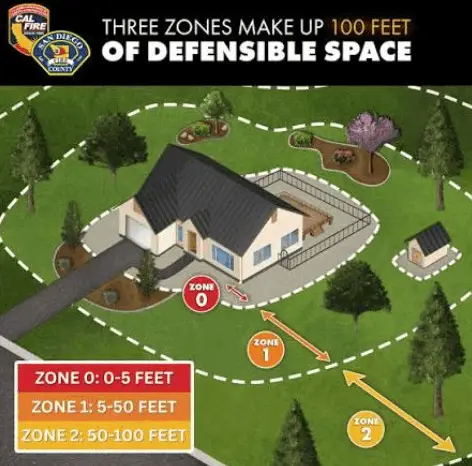
Insurers will ask about the roof, the distance to the nearest fire station, the road in, and the defensible space around the home. A property with cleared vegetation, a water storage tank and good access tells a better story than one without. If a standard carrier will not write the policy, the California FAIR Plan paired with a supplemental policy is the usual path. Your premium is part of your monthly housing cost, so your lender will need the number too.
Roads, access and permits
How you get to the house matters as much as the house.
- Who maintains the road. County-maintained roads are graded and plowed by the County. Private roads are maintained by the owners who use them, ideally under a recorded road maintenance agreement that spells out who pays for what.
- Legal access. If the driveway crosses a neighbor's land, there should be a recorded easement. Your title report will show it.
- Year-round use. Drive the road yourself. Think about rain, snow, a propane truck and a fire engine.
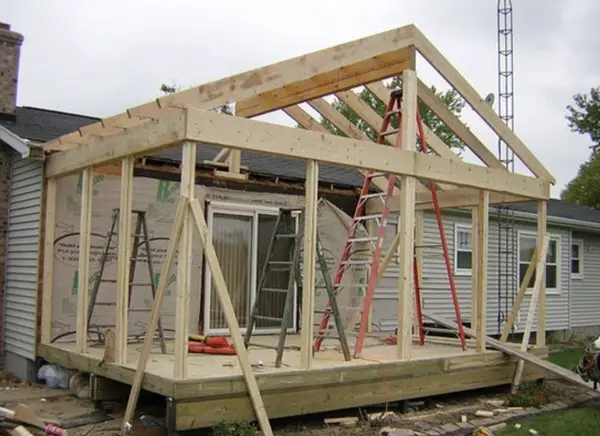
- Permits on the structures. Guest units, additions, decks and converted garages are common on rural parcels. Ask for permits, and check them against County records. Unpermitted space can affect the appraisal, the loan and your insurance.
The utility bill changes shape
Off-grid owners do skip the monthly power, water and sewer bills. In exchange, they become their own utility company. The costs still exist. They arrive less often and in larger pieces.
Plan for propane fills, generator fuel and service, septic pumping every few years, water filters, and eventually a new well pump or battery bank. I suggest setting aside a monthly amount in a separate account, the same way you would pay a utility bill, so those replacements are already funded when they come up. Ask the seller for a year of propane and maintenance receipts. It is the most accurate picture you will get of what the home costs to run.
Ten questions to ask before you write an offer
- Which utilities does this home provide for itself, and which come from a provider?
- Is the solar owned, financed or leased, and how old are the batteries?
- How often does the generator run in winter, and when was it last serviced?
- What is the well depth and yield, and when was the water last tested?
- How large is the water storage tank?
- When was the septic last pumped, and how many bedrooms is it permitted for?
- Is the propane tank owned or leased?
- Who maintains the road, and is there a recorded agreement?
- Are all structures and systems permitted?
- Who insures the home now, and what is the annual premium?
A seller who has lived with these systems can usually answer every one of these from memory. That is a good sign in itself.
Ready to look at off-grid homes?
Off-grid living suits people who like knowing how their home works. If that sounds like you, the backcountry has some wonderful properties, and the homework above is very doable with the right team around you.
I am happy to walk a property with you, pull the County records, and connect you with lenders, inspectors and insurance agents who work up here every day. Call or text me at 619-985-3618, email jenkleist@gmail.com, or book a time at calendly.com/jenkleist/30min.
Linked from this post: Tiffany Bagalini's Off-Grid Living in San Diego's Backcountry: What It Means and Why Buyers Are Chasing It
Jen Kleist, REALTOR®, eXp Realty / Julian Realty, DRE #02228818
Categories
Recent Posts



GET MORE INFORMATION