

The Square Footage the County Doesn't Know About
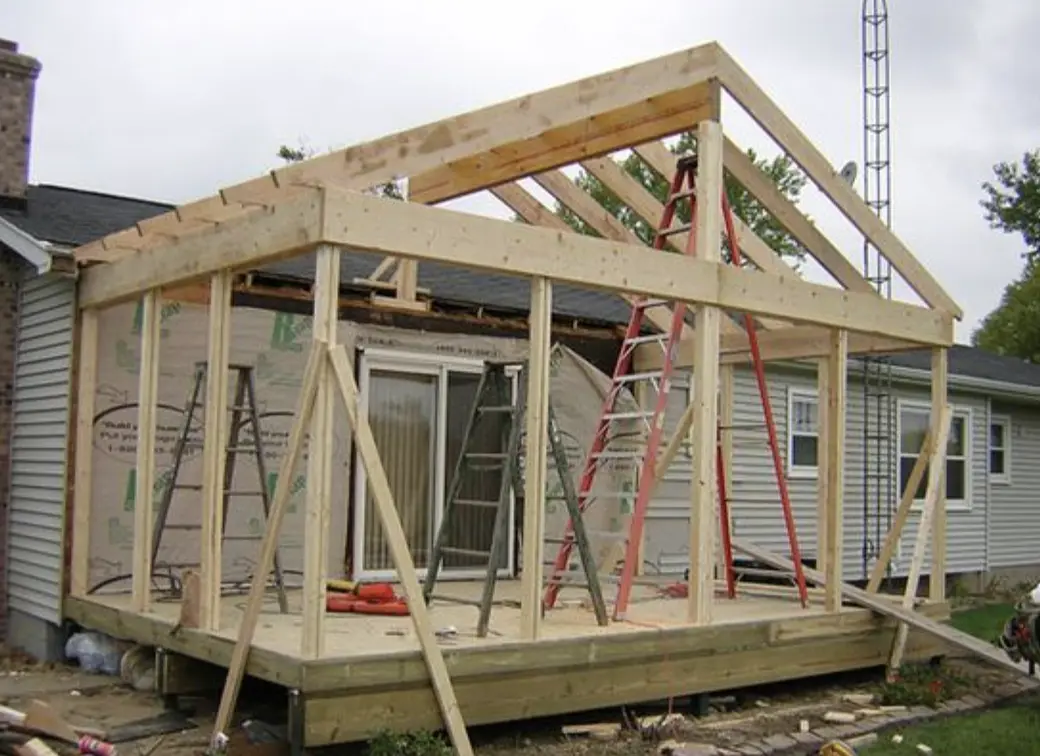
That Extra Room Might Not Exist on Paper: Unpermitted Additions and What Happens When You Sell
Living in the Mountains series
Last time we talked about what it actually takes to add an ADU to a rural property: the well, the septic, the power, the county, the fire authority. This post is about the other side of that coin. What happens when someone already added square footage without going through any of that, and now the property is heading to market.
Out here in Alpine, Descanso, Pine Valley, and Guatay, unpermitted work is common. Not because people are cutting corners on purpose, but because these properties have been in families for decades, owners are handy, and a garage conversion or a bonus room off the back happened somewhere along the way. Sometimes the current owner did the work. Just as often, they bought it that way and never knew.
A quick check you can do right now
Here is something I tell homeowners all the time, and it comes straight out of my lending background.
Pull up your property tax bill or look up your parcel on the San Diego County Assessor's site. Note the square footage the county has on record. That is the number you are being taxed on.
Now find the appraisal from when you bought the home. Appraisers measure the actual house. Compare the two numbers.
If your appraisal says 1,850 square feet and the assessor shows 1,400, that gap is telling you something. Somewhere along the line, square footage was added that never made it into the county's records, which usually means it was never permitted. You have been living in it, but on paper, it does not exist.
The reverse is worth knowing too. If those numbers match, that is one less surprise waiting for you in escrow.
Why it matters when you sell
None of this is a reason to panic, but it is a reason to plan. Here is where unpermitted space shows up in a transaction.
Disclosure. In California, if you know about unpermitted work, you disclose it. Full stop. Trying to stay quiet about it is how sellers end up in legal trouble after closing, and buyers in rural areas tend to ask good questions anyway.
The appraisal. This is the one that catches sellers off guard. When your buyer's lender orders an appraisal, the appraiser generally cannot give full value to square footage that is not permitted. Your 1,850 square foot home may get appraised closer to the 1,400 the county recognizes, with the addition treated as a footnote rather than living space. If the appraisal comes in under the contract price, the buyer's loan is now short, and you are back at the negotiating table.
The buyer's loan. Some loan programs are stricter than others about unpermitted space. Depending on the condition and type of work, a lender can require repairs, permits, or in some cases removal before they will fund. That can shrink your buyer pool to cash buyers and conventional borrowers with flexible lenders.
Insurance. A buyer's insurance carrier may not cover unpermitted structures or space, which becomes the buyer's problem to solve and therefore your problem to negotiate.
Price and leverage. Buyers who know a space is unpermitted will price that risk in. Sometimes that is fair. Sometimes it is an oversized ask because they know you have limited options late in escrow. Finding out early keeps the leverage on your side.
What you can actually do about it
You have options, and the right one depends on the work, the timeline, and the numbers.
Legalize it. The county has a process for permitting existing construction. It typically involves plans, inspections, and bringing the work up to current code, which can be straightforward or expensive depending on what is behind the walls. For quality work, this is often worth it, because permitted square footage comes back into your value at full strength.
Sell it as-is, disclosed. Plenty of rural properties sell with disclosed unpermitted space. The key is pricing it honestly from the start and marketing it to the right buyer pool instead of letting it blow up an escrow in week three.
Something in between. Sometimes it makes sense to permit part of the work, or to get a contractor's assessment in hand so buyers can see what they are dealing with.
One more thing on the tax side: yes, permitting an addition means the assessor will pick it up and your taxes will adjust on the new value of that work. Under Prop 13, the increase applies to the addition itself, not a reassessment of your whole property. For most owners, the value gained at sale outweighs the tax bump many times over.
The takeaway
If you are even thinking about selling in the next few years, run the square footage comparison now. It costs you nothing and it tells you whether you have a clean file or homework to do. The sellers who struggle with unpermitted space are almost never the ones who knew about it early. They are the ones who found out from the buyer's appraiser.
And if you are buying out here, this is exactly the kind of thing I look for before we write an offer. The county record, the listing, and the appraisal should all be telling the same story.
Have a property with a question mark on it? Let's look at the records together before it becomes an escrow problem.
Jen Kleist, REALTOR® | Coldwell Banker West | DRE #02228818 619-985-3618 | jenkleist.com
This post is for general information and is not legal or tax advice. Permit requirements and assessment practices vary by parcel and jurisdiction. Consult the County of San Diego, a licensed contractor, and a tax professional for guidance on your specific property.
Categories
Recent Posts





GET MORE INFORMATION