

What "ADU Potential" Really Means Out Here
What "ADU Potential" Really Means Out Here
Living in the Mountains series
Every so often I see a listing out here in the backcountry with a line about ADU potential. Big lot, plenty of open space, room to build. And I understand the appeal, because the state has made it easier than it used to be to add a second unit, and everybody has heard about the rental income or the place for aging parents or the spot for a kid who is trying to get a start.
But space is the easy part. Out here in Alpine, Descanso, Pine Valley, and Guatay, the land is rarely what stops a project. It is the water, the wastewater, the power, and the access.
I want to walk through what actually gets checked, because I would rather you know before you write an offer than after.
Start with who has jurisdiction
The first question is whether the property sits inside a city or in unincorporated county. Most of our mountain communities are unincorporated San Diego County, which means the County's Planning and Development Services handles zoning and permitting, and the Department of Environmental Health and Quality handles wells and septic. Those are two separate departments with two separate review processes, and both of them can stop a project.
Zoning matters even under current state ADU law. Lot size, setbacks, building separation, lot coverage, slope, and whether the parcel carries any biological or resource constraints all factor in. Two parcels can sit side by side, look nearly identical from the road, and get two different answers.
Sewer or septic
If a property is on sewer, the question is whether the existing lateral and the district's capacity can handle another unit. That is usually a shorter conversation.
Most of our properties are not on sewer. They are on septic, and that changes things.
Septic capacity in San Diego County is generally tied to bedroom count and to the soil itself. A system that was designed decades ago for a three bedroom house does not automatically absorb a two bedroom unit. You may need a larger tank, a new leach field, or in some cases a supplemental treatment system. You also have to show a full reserve area, meaning undeveloped ground held aside in case the leach field ever needs to be replaced. That reserve area cannot have a building sitting on it.
Then there are the setbacks. Septic components have to hold distance from structures, property lines, drainage, and wells. That last one is usually the pinch point on a rural parcel, because now you are placing a new system while working around a well you cannot move.
The County has also tightened up the operating and maintenance side of onsite wastewater systems in recent years, including annual permitting and record keeping for certain systems. If you are buying a property with an eye toward adding a unit, ask what the current system is, when it was installed, what it was permitted for, and whether there are pumping and inspection records.
Water, and this is where it gets personal
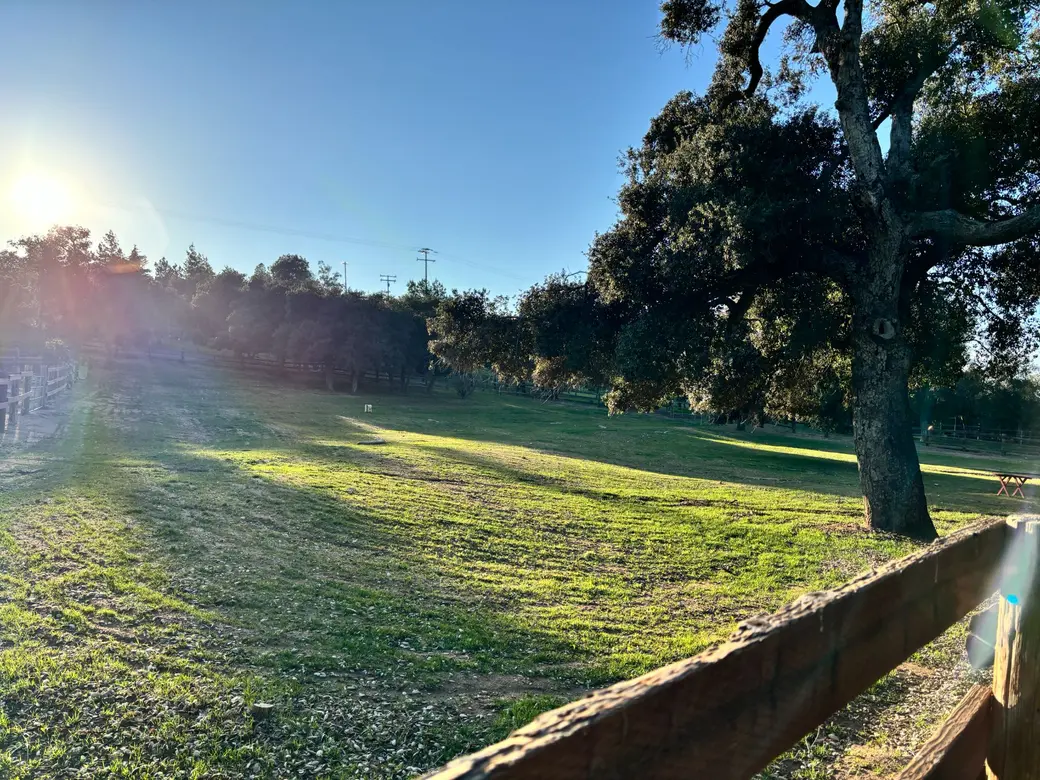
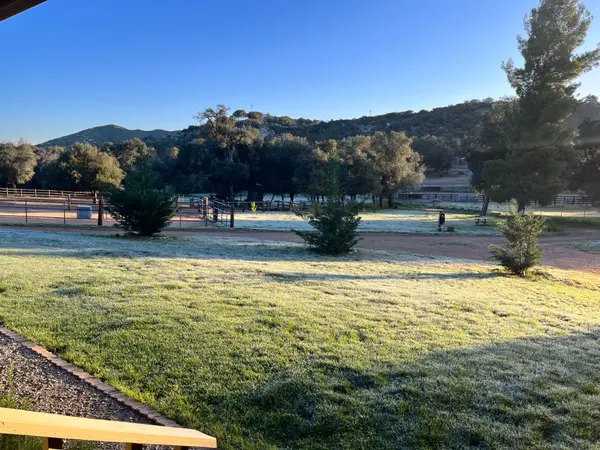
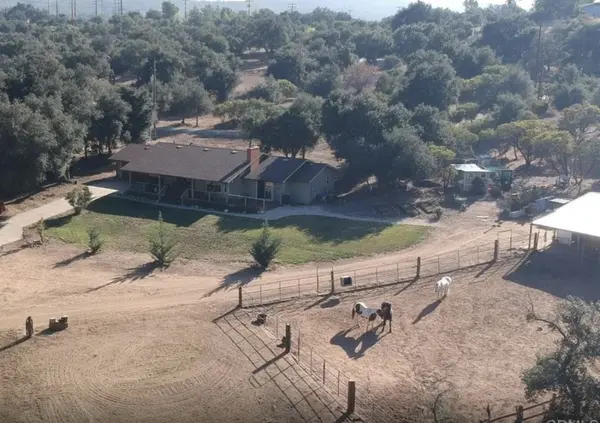
We have 8.5 acres. On paper, we have more than enough room to put a unit somewhere on this property and never see it from the house.
In reality, the first thing I think about is the well.
A second dwelling means a second household drawing off the same well. The County has minimum yield requirements for a well serving a new dwelling, and that yield has to be documented through a certified test, not a guess and not what the last owner told you. If the well does not produce enough, you are looking at added storage capacity, a second well, or the project not happening at all.
And there is a piece of this that does not show up in any code section. Our neighbors are on the same groundwater we are. Anybody who has lived up here through a dry stretch knows how it feels to watch your water level and wonder. I am not willing to treat our well like an unlimited resource just because the parcel is big.
Then the septic side. Our existing system is not going to carry another unit. That is a new system, which means a percolation test, a layout approval, a design, and the reserve area to go with it. That is not a small line item.
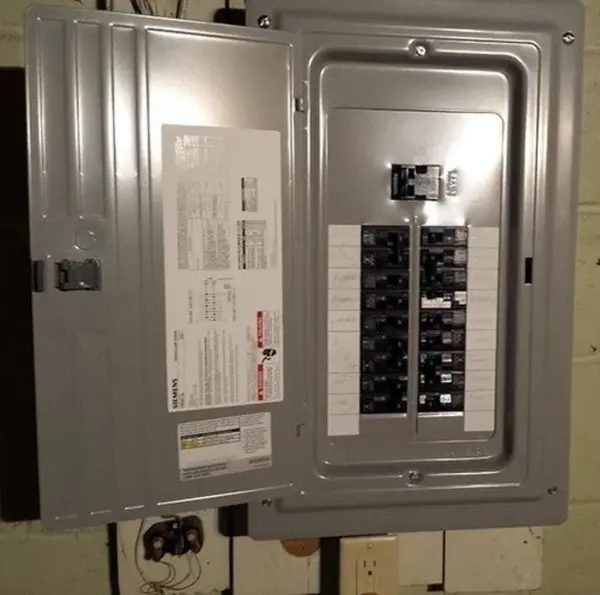
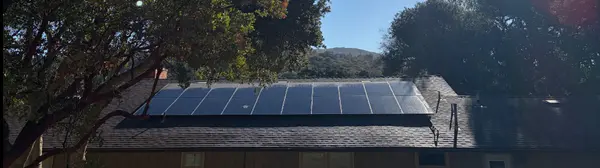
And then power. Getting electricity to a spot that is a few hundred feet from the house is not a matter of running an extension. It is trenching, conduit, panel capacity, and possibly a service upgrade with SDG&E. The further the unit sits from existing infrastructure, the faster that number climbs.
So yes, we have the room. That has never been the question.
Access and fire
This one is specific to where we live and it gets skipped constantly.
An added dwelling usually triggers a look at driveway access. Width, grade, surface, turnaround for fire apparatus, and bridge or culvert capacity if you have a crossing. Fire authority sign off is a real step in the process, not a formality. Defensible space and building separation requirements apply too, and in our communities the fire side of the review can shape where a unit can physically go more than the zoning does.
If your driveway is a long narrow dirt climb, that is worth knowing before you start drawing plans.
Why I do not market a property as having ADU potential
Here is my honest position, and I know not everybody in my business shares it.
Unless the seller is handing me approved permits or a completed unit, I do not know that a property has ADU potential. Neither does any other agent. What I know is that the property has land.
The people who actually know are the County planner, the environmental health specialist reviewing the septic and well, the fire authority, and a licensed contractor or designer who has walked the site. Until those people have weighed in, "ADU potential" is a marketing phrase attached to an engineering question.
The risk is not abstract. A buyer reads that phrase, pays for it in the purchase price, closes, and then finds out the well tested low or the only buildable flat spot is sitting on the septic reserve area or the driveway will not pass fire review. Now they own a property they bought for a reason that never existed, and the agent who wrote the phrase has moved on.
I would rather tell you what I actually know. This parcel is 4 acres, zoned this, on a well that tested at this rate on this date, with a septic system permitted for this many bedrooms, and here is the driveway. Then I will help you get the right people out there to answer the rest before your contingencies expire.
That is a less exciting sentence. It is also one I can stand behind.
If you are thinking about it, here is where to start
- Confirm jurisdiction and zoning for the specific parcel, not the general area
- Pull permit history on the existing home and any accessory structures
- Find out what the septic system was permitted for and where the reserve area is
- Get a current certified well yield test and water quality results
- Look at where power would come from and what it would take to get there
- Have the driveway and access looked at with fire apparatus requirements in mind
- Talk to a licensed contractor or designer who has built in our communities, not just in the county
Do this during your inspection period. Not after.
One more thing
If you are a buyer looking out here and the second unit is a real part of your plan, tell me early. It changes which properties I show you. There are parcels where this works beautifully and parcels where it never will, and the difference is almost never how many acres are on the tax record.
A note on this post: This is general information based on my experience living and working in these communities. Requirements change, and they vary parcel by parcel. Always confirm current requirements directly with the City or County jurisdiction that governs the property, and work with a licensed contractor, designer, or engineer before making any decisions or offers based on the ability to add a unit. Nothing here is legal, engineering, or construction advice.
Jen Kleist, Realtor, Coldwell Banker West DRE #02228818 619-985-3618 | jenkleist.com
Categories
Recent Posts


GET MORE INFORMATION